Current harvest
Sold out2026 Harvest
The current estate release: a seasonal mixed-varietal lot from one harvest and drying period, roasted medium for a smooth everyday cup.

Single-estate / single-lot / Zambia
Produced on our family farm from one harvest and drying period, Copala is a seasonal mixed-varietal medium roast with a clear estate origin and a smooth cup of roasted nuts, cocoa and soft sweetness.
Estate origin
Copala Estate is a family-owned farm in Zambia's mineral-rich Copperbelt, carrying forward three generations of farming experience rooted first in South Africa and now expressed through coffee, macadamia nuts and freshwater tilapia.
Across two coffee orchards on the same estate, set a few hundred metres apart at the same altitude, Copala produces a seasonal single-estate lot shaped by soil, climate and careful hand harvesting.

High-grown coffee from Zambia's Copperbelt.
Grown on the same farm at the same altitude.
Coffee trees cultivated across the estate.
The farm runs entirely on solar energy.
Family heritage
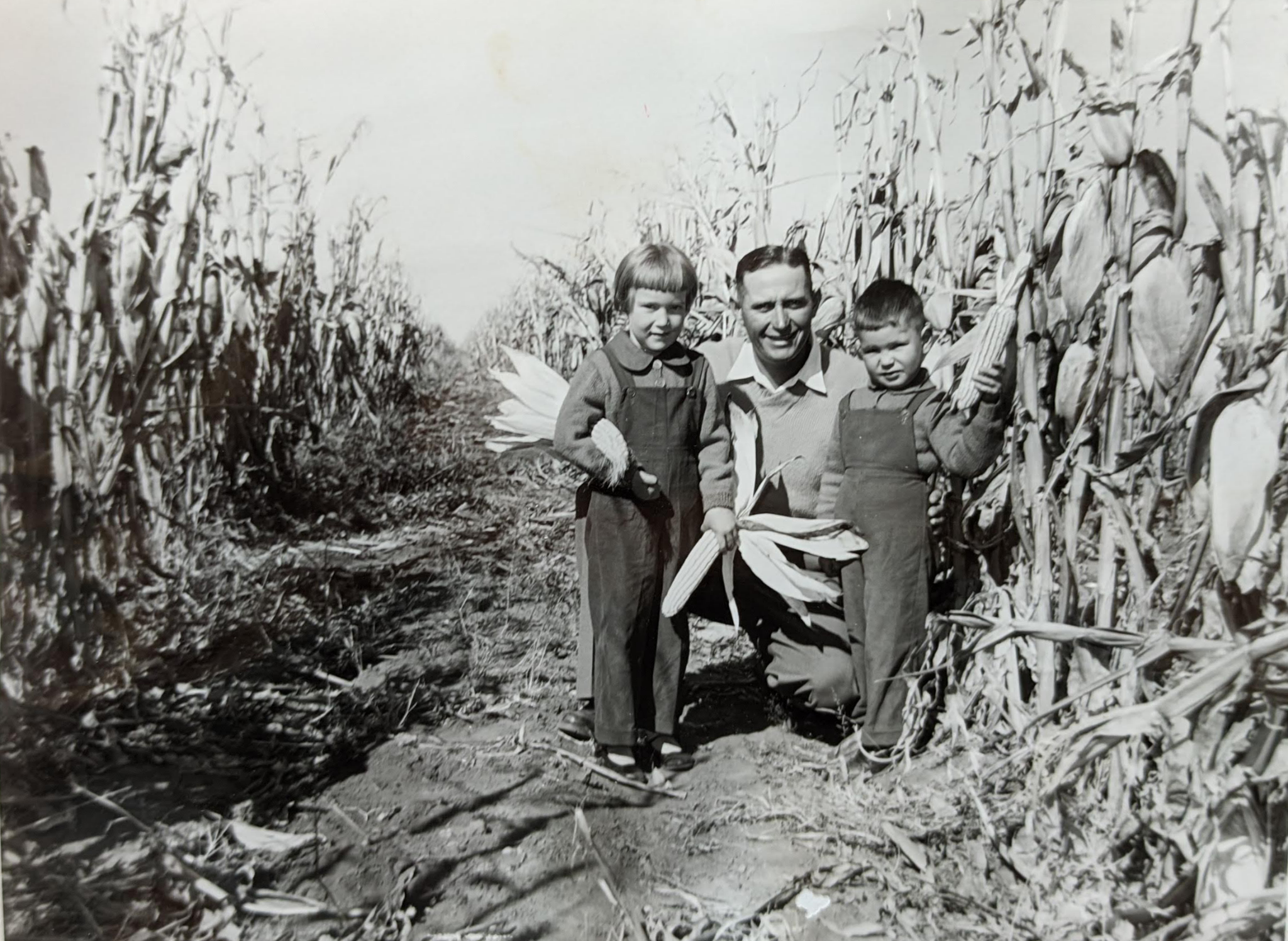
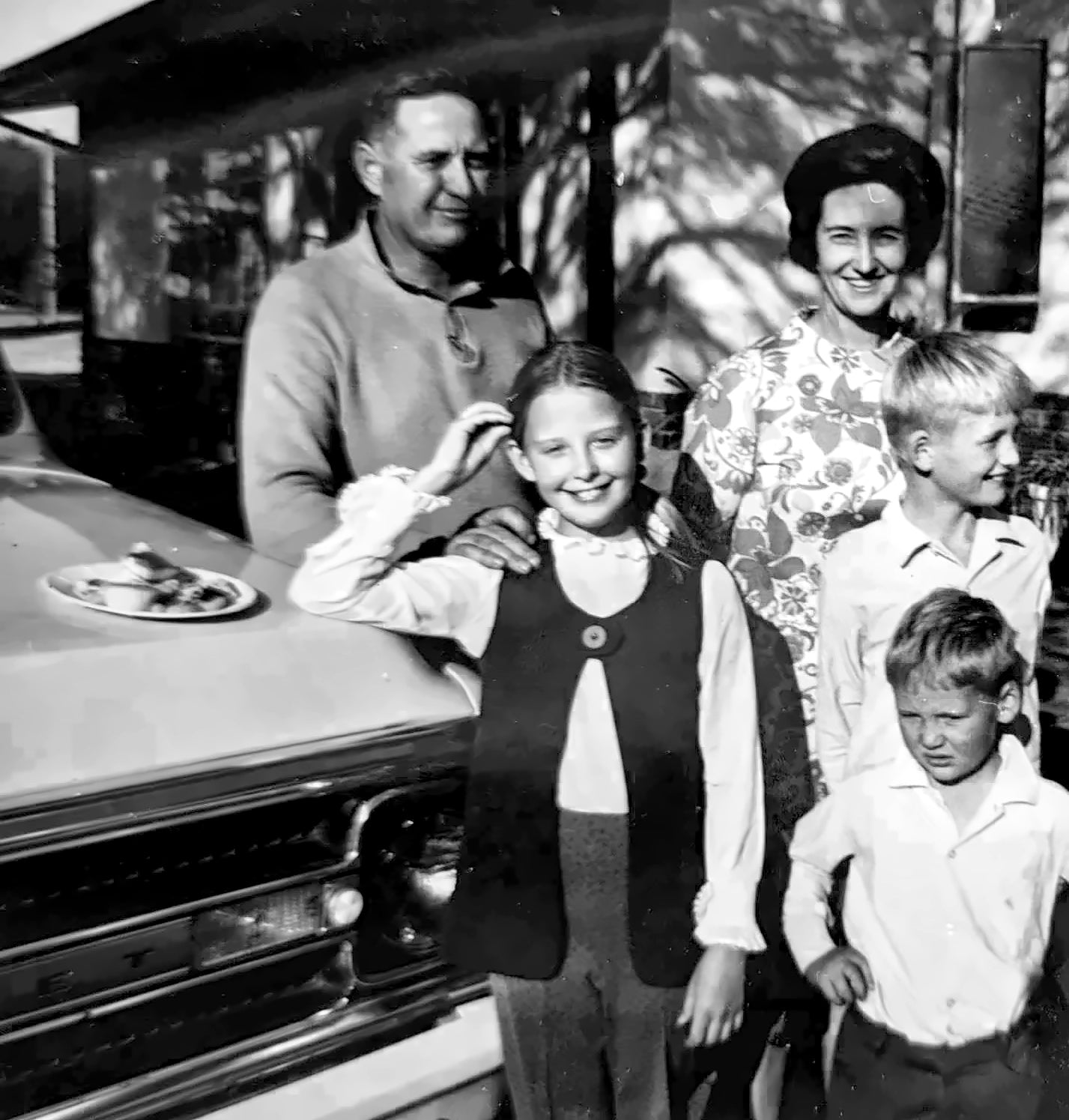
The Viviers family farming story began in South Africa, where Hendrik Viviers established a farm near Ventersdorp in the North West. Across generations, the family worked with crops and livestock before carrying that farming discipline north to Copala Estate in Zambia's Copperbelt.
Copala's coffee is presented as part of a wider farming practice: land, season and hand work, carried from one generation to the next.
A family farming foundation in the North West, built through crops, livestock and practical agricultural work.
Farming knowledge passed forward through the Viviers family rather than invented as a recent brand story.
The same discipline now expressed through single-estate coffee, grown and roasted to show the character of each season.
Current release
Copala's estate medium roast is released by harvest year, with each season standing as its own single-estate, single-lot expression from Zambia's Copperbelt. The roast stays medium, balanced and easy-drinking, while each harvest brings its own subtle expression of the estate.

Current harvest
Sold outThe current estate release: a seasonal mixed-varietal lot from one harvest and drying period, roasted medium for a smooth everyday cup.
Previous harvest
Limited stockAvailable while stock remains, for returning customers who especially enjoyed a particular year's lot.
Choose the harvest year first, then select size and grind.
Two retail bag sizes for the same harvest release.
Choose fresh whole bean or ground coffee at checkout.
Balanced, smooth and easy to enjoy across releases.
Single-estate coffee from the Copala family farm.
Process
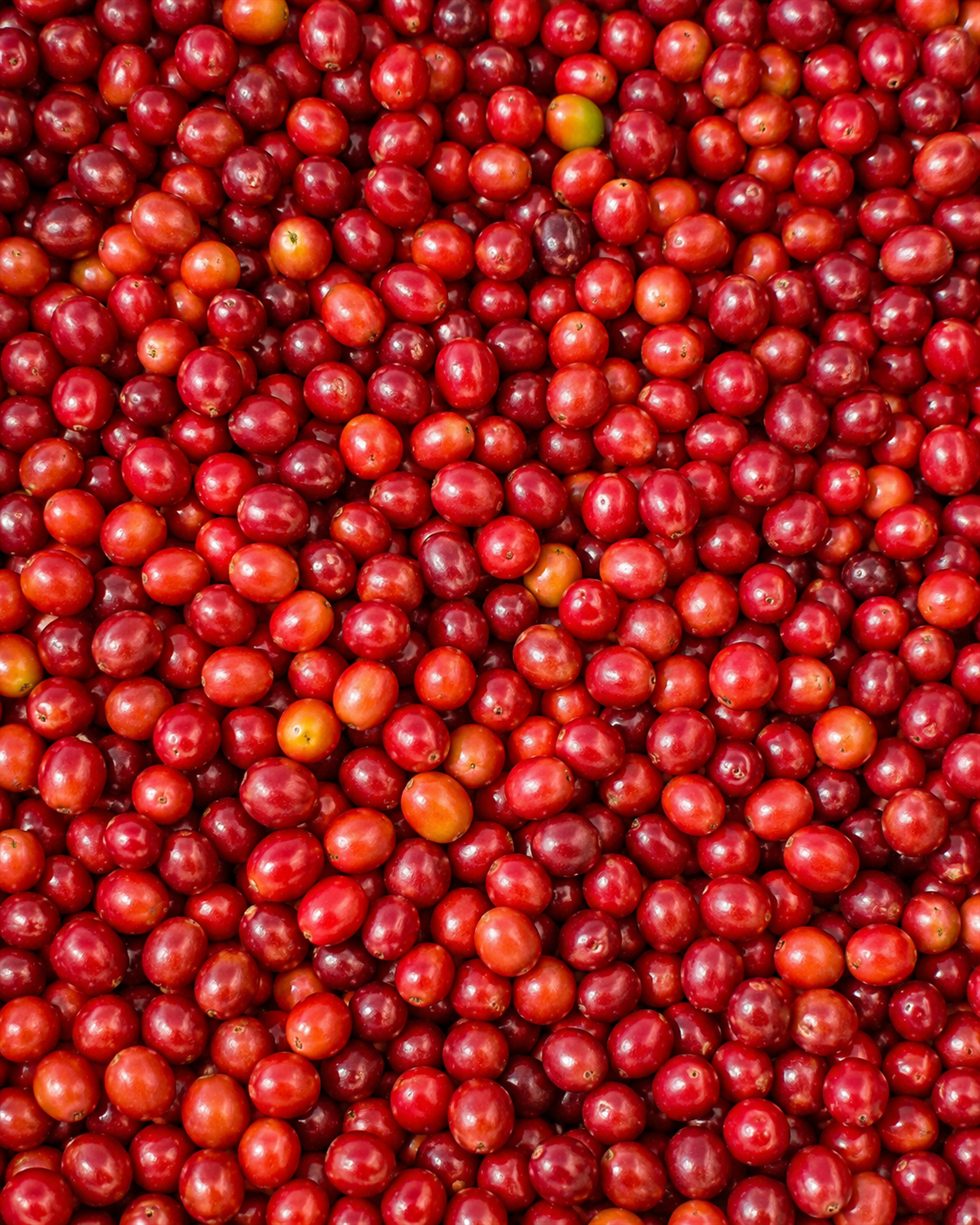
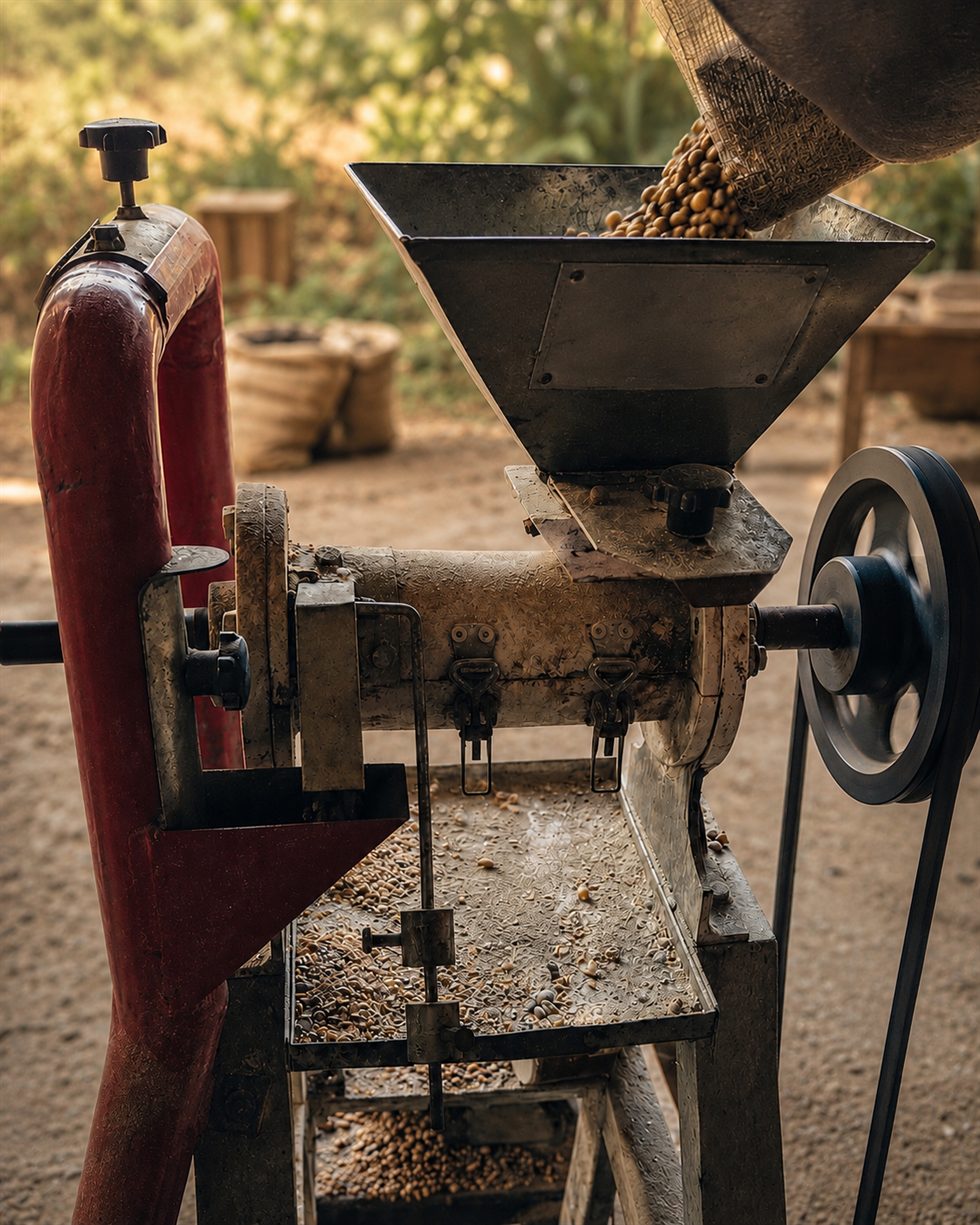
Copala's process is described by the work itself: ripe red cherries are hand-picked, float-sorted, depulped, fermented in water for 24-36 hours and slowly shade-dried before hulling, gravity sorting and final sizing in South Africa.
Only ripe red cherries are picked, keeping the selection focused at the tree.
Cherries enter a water bath and floaters are removed before depulping.
The outer cherry skin is removed, then the coffee rests in water for 24-36 hours.
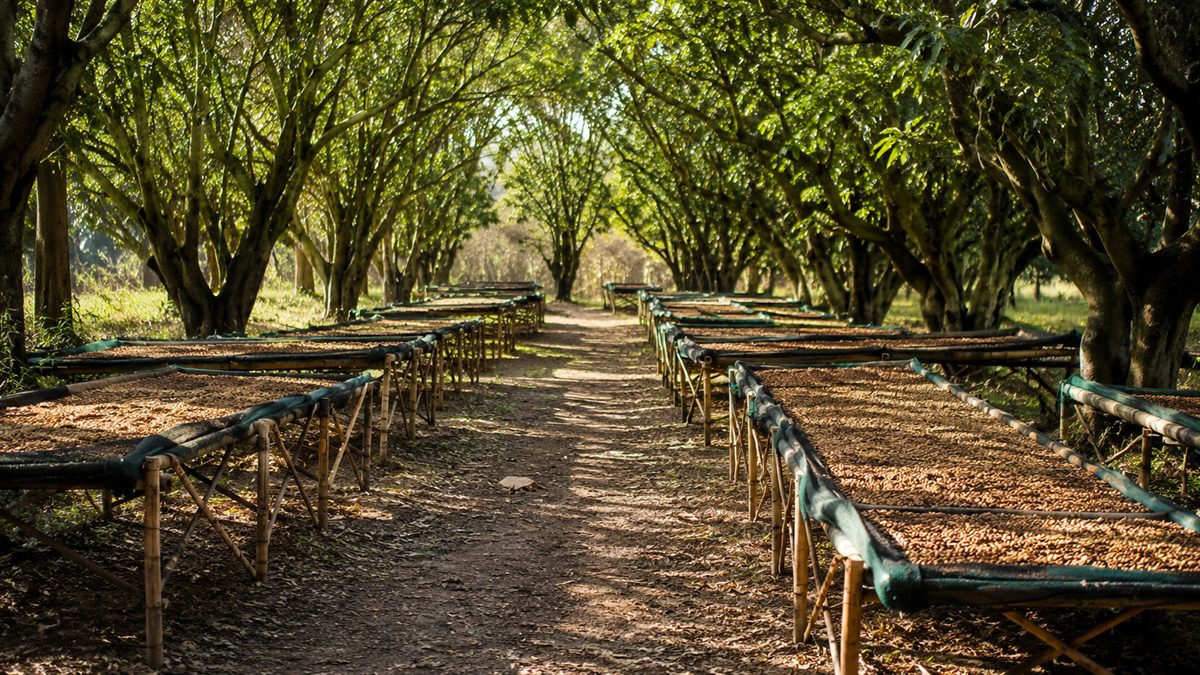
The coffee dries slowly away from harsh direct sun exposure.
The remaining parchment is removed, then gravity sorting separates defects and irregularities.
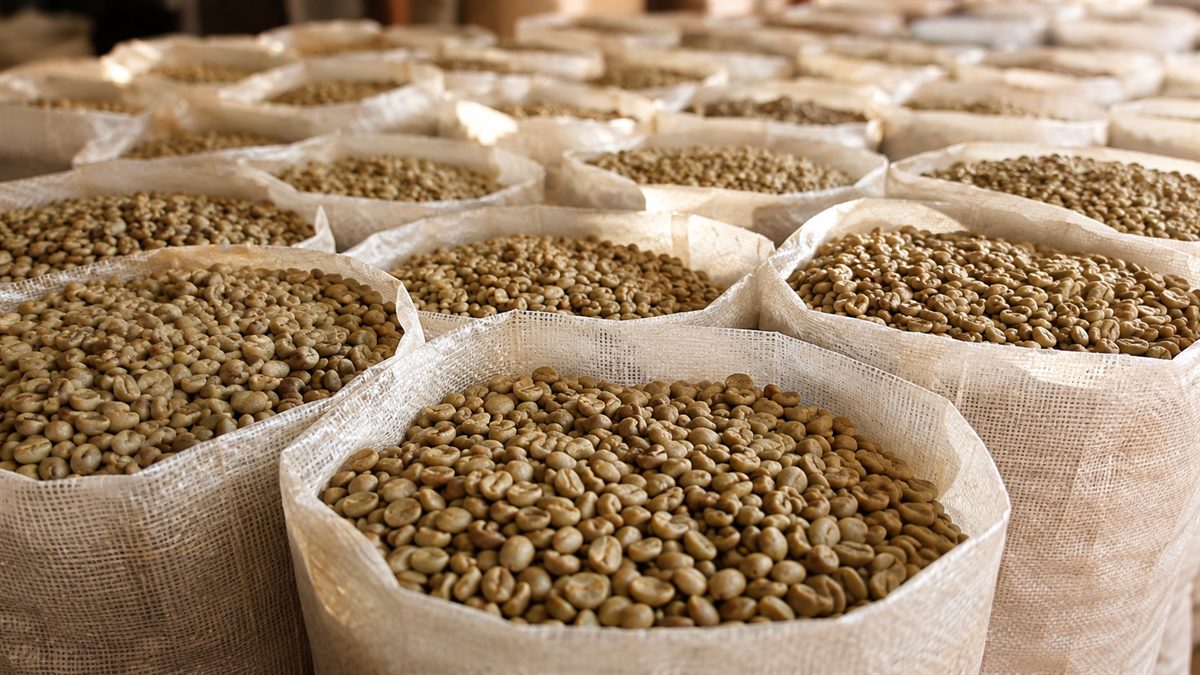
Green coffee is bagged, shipped to South Africa and sized by class before release.
So you know exactly what you are getting, we choose to be transparent about the full process rather than relying on a broad processing category. Each step is described plainly, from hand selection through drying and sorting.
Varietals
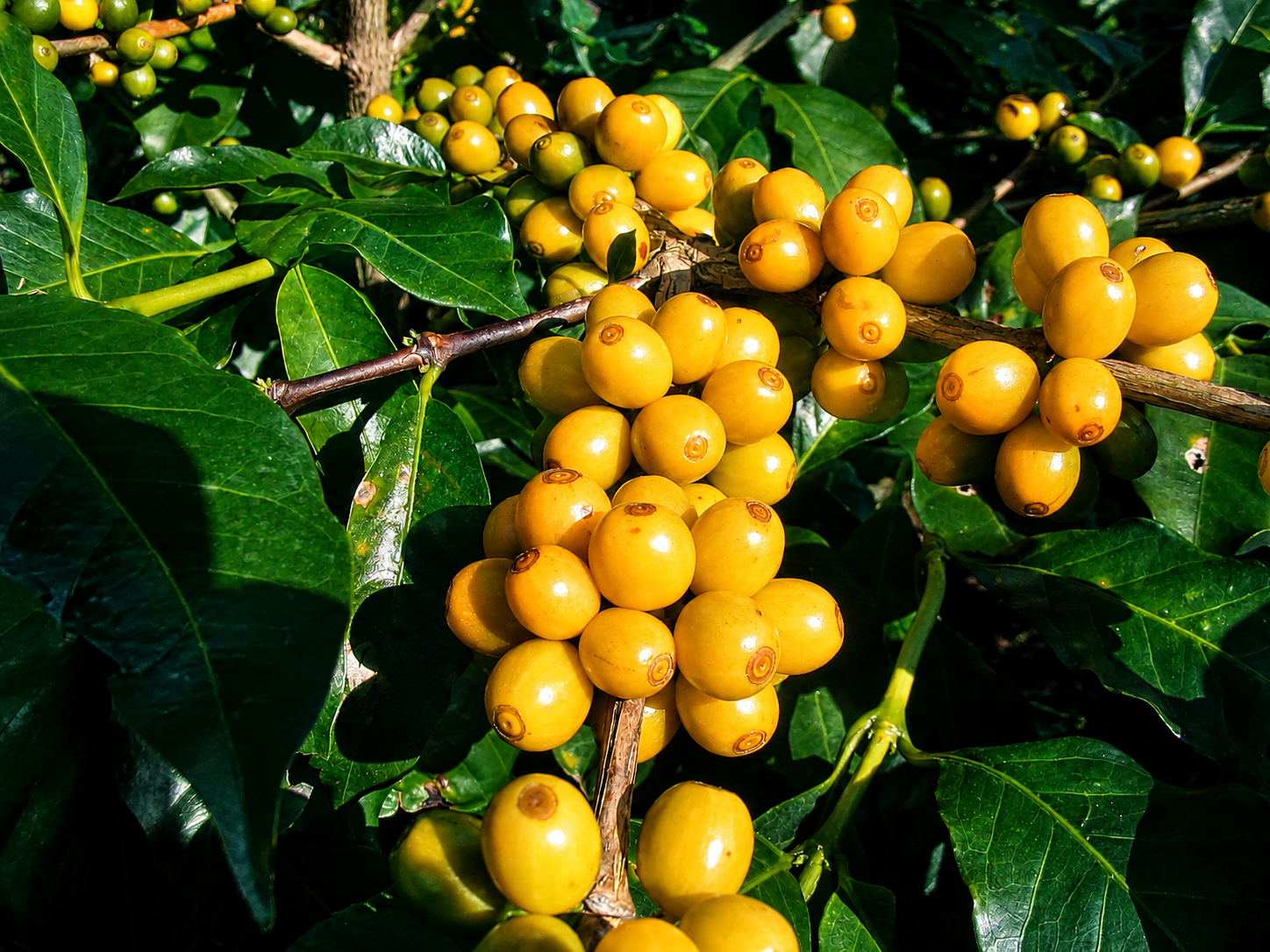
Copala is grown as a mixed estate lot. The harvest is centred on SL28, with smaller plantings of K7, Geisha and Yellow Catimor.
Coffee knowledge
From the way we preserve and roast the harvest to the way you brew it, every decision shapes what reaches the cup.
Explore coffee knowledgeCoffee is more than a morning ritual. Discover what scientific research reveals about its antioxidants, alertness, physical performance and associations with long-term health.
Coffee knowledgeAt Copala, we dry our coffee slowly on raised trays in the shade. This helps us manage heat and moisture loss more carefully, preserving the bean character developed before roasting.
Coffee knowledgeCopala’s medium roast preserves distinctive origin flavours while developing natural sweetness, rounded body, and pleasant acidity—a carefully considered balance between bean and roast.
Estate & trade
Copala is part of a wider family estate in Zambia's Copperbelt: coffee, macadamia nuts, tilapia and solar-powered farming. Retail bags can move through checkout; larger roasted orders and green coffee are handled by enquiry.
500 g and 1 kg estate medium roast, available as whole bean or ground coffee.
Larger roasted coffee orders can be discussed outside the normal checkout flow.
Green coffee may be released by grade or class when stock is available.
Solar-powered farming with local employment, housing and clean drinking water for farm employees.